A more recognizable identity
Build a distinctive visual language that helps customers identify your brand faster across channels and touchpoints.
Create a distinctive logo, visual identity and practical brand system that makes your business easier to recognize, trust and represent consistently across every important touchpoint.
Enquire NowOverview
Branding design is more than choosing a logo and color palette. BrainADZ creates connected identity systems that communicate the right personality, stay recognizable across formats and give teams practical rules for consistent brand execution.
Enquire Now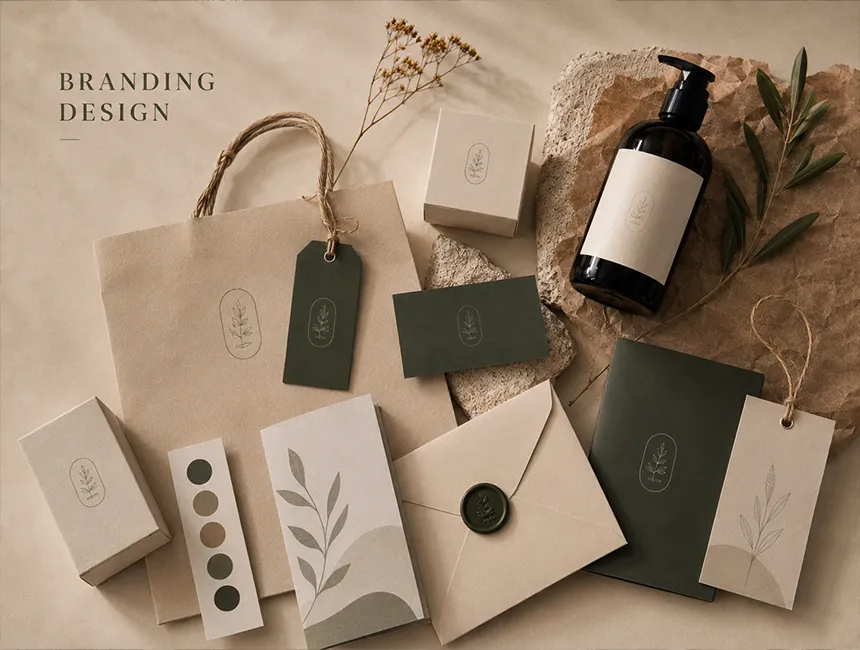
Build a distinctive visual language that helps customers identify your brand faster across channels and touchpoints.
Give every team and partner a clear system for using your logo, colors, typography, imagery and layouts correctly.
Present the business with a professional identity that supports trust, positioning and confident customer decisions.
Create flexible identity rules and templates that can grow with new campaigns, products, locations and communication needs.
Identity Services
Every branding engagement is scoped around the business stage and the identity problem. A new company may need a complete system, while an established brand may need a focused refresh or better governance.
Clarify the audience, market context, brand personality and visual opportunity before design exploration begins.
Develop a memorable primary mark and a practical identity family that works across everyday brand applications.
Define a coordinated palette and type hierarchy that gives the brand a consistent tone across print and digital communication.
Create the supporting visual devices that make the identity more ownable than a logo placed on different layouts.
Document the rules teams need to protect recognition and produce consistent communication after the identity is approved.
Modernize an established brand without losing the recognition, equity or practical assets that still support the business.
Brand System
Strong branding connects strategic inputs with repeatable visual rules. Each layer supports the next so the identity remains clear, flexible and recognizable as communication expands.
Translate the business context, audience, positioning and personality into a focused design brief for the identity.
Output
Identity design brief
Build the logo family and essential marks that create the most immediate and repeatable signs of recognition.
Output
Logo architecture
Connect color, typography, imagery, shapes and composition into one coherent expression of the brand personality.
Output
Visual identity system
Test the identity across realistic touchpoints so the system works beyond presentation slides and isolated mockups.
Output
Applied brand examples
Define usage rules, templates and asset organization so internal teams and external partners can use the identity reliably.
Output
Guidelines and toolkit
Brand Applications
Priority applications are used to test and demonstrate how the brand behaves in real situations. The final list is selected according to launch needs, customer journeys and internal production priorities.
Identity assets and templates for the channels where customers discover, evaluate and interact with the brand online.
Flexible branded formats that support campaigns, product communication and recurring content without visual inconsistency.
Professional brand applications for customer conversations, stakeholder communication and everyday business use.
Consistent identity translation across packaging, signage, offices, exhibitions and other real-world brand experiences.
Branding Process
The process keeps strategic decisions, creative exploration, stakeholder feedback and final production connected. Each stage reduces ambiguity before the identity moves forward.
Enquire NowWe review the business, audience, competitors, positioning, current identity, future plans and the practical places where the brand must perform.
Insights are translated into design criteria, personality cues and visual territories that establish the right direction for exploration.
We develop focused logo and identity routes, showing the design logic, distinctiveness and potential application of each direction.
The approved route is strengthened through proportion, typography, color, responsive variants and supporting visual elements.
The system is applied to priority brand touchpoints to confirm hierarchy, flexibility, legibility and recognition in realistic conditions.
Final files, guidelines and templates are organized into a practical toolkit that teams can use without rebuilding the system.
Brand Handover
Final delivery is organized for real implementation. Designers, marketers, developers, printers and vendors receive the files and guidance required to reproduce the identity correctly.
Organized master files for digital, print, light, dark and constrained-use situations.
A clear reference that explains how the identity should and should not be used.
Reusable starting points that help internal teams produce routine communication more consistently.
Practical assistance for introducing the identity across teams, vendors and high-priority touchpoints.
Why BrainADZ
The identity is designed for the channels, teams, production methods and customer interactions your brand actually uses.
We seek ownable visual decisions that support long-term recognition instead of relying only on short-lived design trends.
Logo, typography, color and applications are developed as connected parts of one usable identity system.
Files and guidelines are structured so marketing teams, printers, developers and partners can use them confidently.
Selected Work
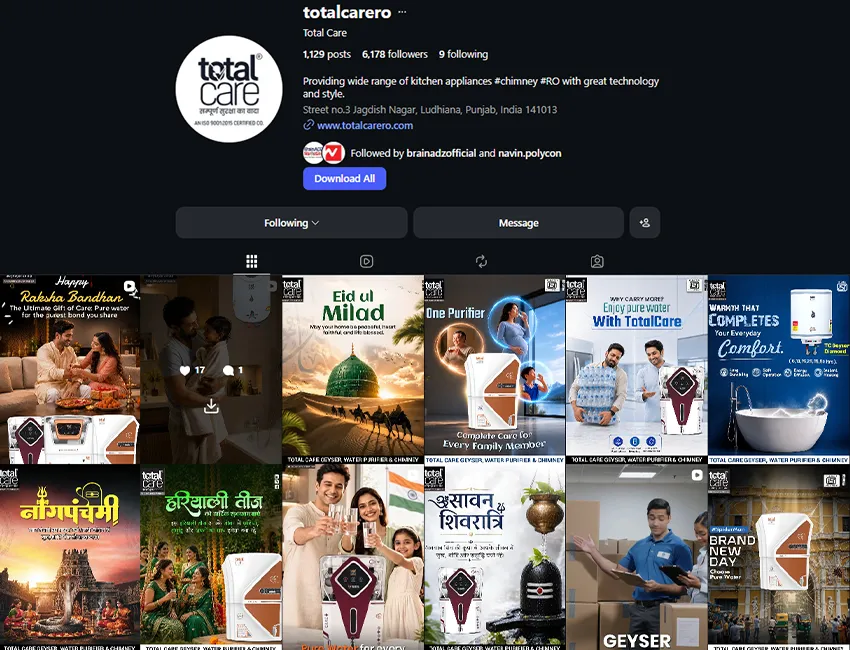
Identity Design
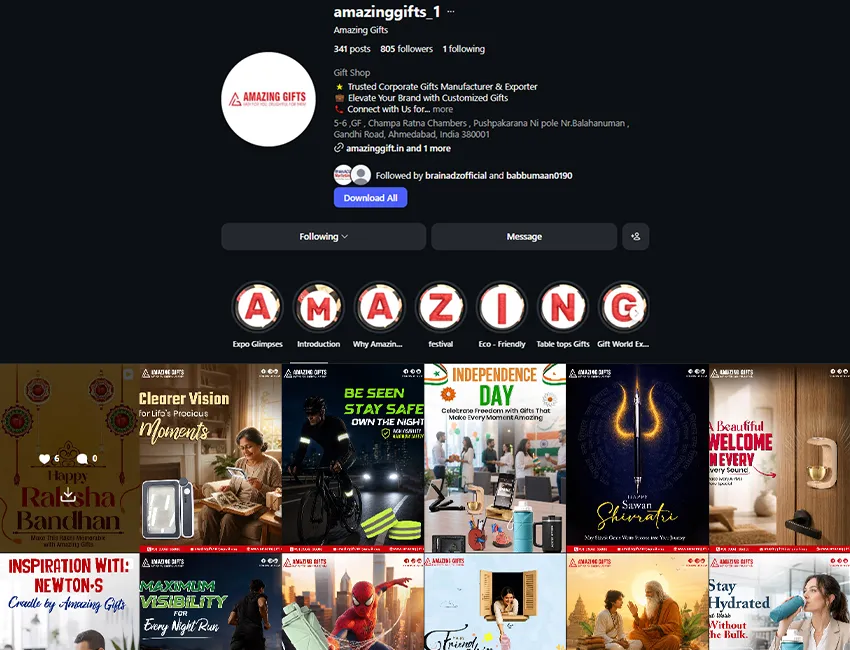
Corporate Branding
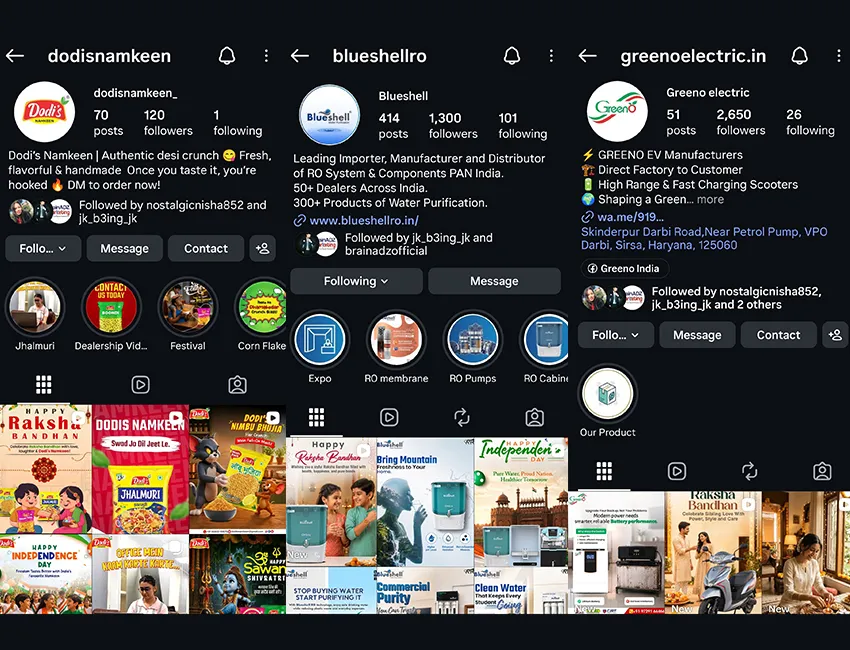
Brand Applications
FAQs
These are the practical details businesses usually want to clarify before beginning a logo, identity refresh or complete rebranding engagement.
Enquire NowThe scope can include brand discovery, logo design, responsive logo versions, color and typography systems, supporting graphic language, imagery direction, priority applications, brand guidelines and a structured final asset package. The exact deliverables depend on whether the requirement is a new identity, refresh or complete rebrand.
No. A logo is one important identifier, but a usable brand identity also needs typography, colors, imagery, layouts, graphic devices, application rules and consistent production standards. These elements work together to create recognition across different customer touchpoints.
Yes. An identity refresh can retain recognizable assets while improving typography, color, proportions, supporting graphics and application consistency. We first identify which elements still carry useful brand equity before recommending an evolutionary refresh or a more substantial redesign.
The concept approach is defined in the project scope. We prioritize a focused set of strategically relevant directions rather than producing many disconnected options. Each presented route includes the design rationale and enough application context to evaluate its potential as a complete identity.
Yes. Final approved logo assets can be supplied in vector and publishing formats such as AI, EPS, SVG, PDF, PNG and JPG. The package can include RGB, CMYK, monochrome, reversed and responsive variants according to the agreed scope.
Brand guidelines can be included as a core project deliverable. They typically document logo usage, clear space, minimum size, colors, typography, imagery, graphic elements, layouts and misuse examples. The depth of the document depends on the size and complexity of the identity system.
Yes. Priority rollout assets can include stationery, presentations, company profiles, social templates, campaign formats, packaging direction, signage and exhibition communication. The application list is finalized according to launch priorities and production requirements.
Timelines vary with discovery depth, decision-making, number of stakeholders, identity complexity and rollout scope. A focused identity refresh may move faster than a full rebrand involving research, multiple applications and detailed guidelines. The project schedule is agreed after the scope and review process are defined.
Get a clear roadmap for campaigns, creative, website, SEO, and performance before you scale your next project.