Improved website reliability
Identify technical issues early and keep important website journeys working consistently.
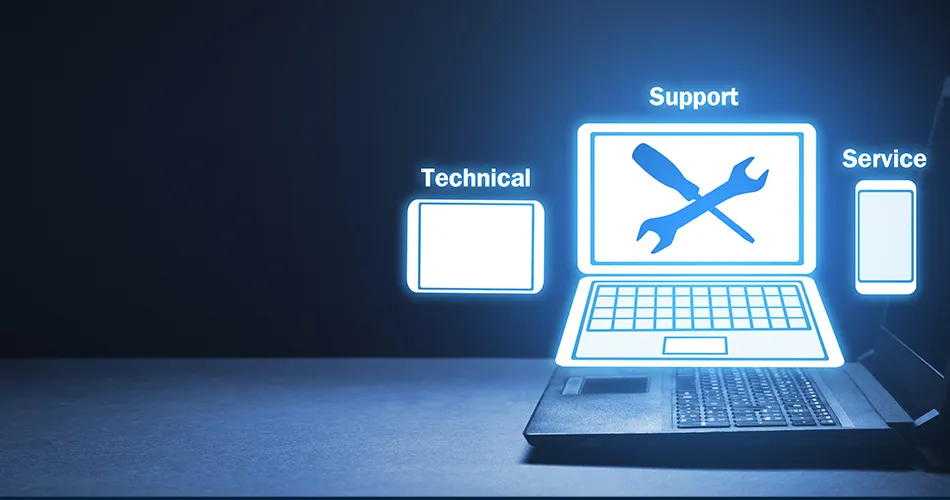
Keep your website secure, updated, available and performing reliably through structured maintenance and technical support.
Enquire NowOverview
A website continues to change after launch. Software updates, hosting conditions, integrations, content and user activity can create new technical requirements over time.
BrainADZ provides structured maintenance covering updates, backups, security, monitoring, bug fixing, performance and ongoing technical support so the website remains dependable.
Enquire Now
Identify technical issues early and keep important website journeys working consistently.
Maintain platform, plugin, dependency and access controls through scheduled technical reviews.
Create scheduled backups and recovery processes for important website files, content and databases.
Review loading speed, resource usage and technical issues that can affect user experience.
Capabilities
We keep the website platform, code, themes, plugins and dependencies updated according to the technology and maintenance scope.
Security maintenance focuses on reducing avoidable risks through access controls, updates, monitoring and technical review.
Website files, databases and important configurations are backed up according to an agreed schedule and retention plan.
Important website pages and services are monitored so outages and availability issues can be identified more quickly.
Technical issues affecting pages, forms, layouts, integrations and user journeys are investigated and resolved according to priority.
Performance maintenance reviews loading behaviour, assets, scripts, databases and hosting conditions that can affect speed.
Routine website updates can include approved text, image, document, banner, product and page changes.
Technical coordination can cover website hosting, domain, SSL, deployment and server-related issues within the agreed support scope.

Regular checks help identify outdated software, broken journeys and technical risks before they become larger problems.
Maintenance Areas
A dependable website requires regular attention across software, hosting, functionality, content and customer journeys.
Keep the website platform, framework, themes, plugins and dependencies current and compatible.
Review access, software versions, suspicious activity and technical configurations that affect website security.
Maintain recoverable copies of website data and confirm that backup processes are functioning correctly.
Review website speed, page resources, server response and other factors affecting user experience.
Test important pages, forms, links, buttons, integrations and user journeys for technical issues.
Keep approved website information, images, documents and promotional content accurate and current.
Support Plans
Support requirements differ between informational websites, ecommerce stores and custom applications.
Suitable for smaller informational websites that need scheduled technical checks, updates and backups.
Support model
Scheduled support
Suitable for active business websites that require regular content updates, monitoring and technical assistance.
Support model
Priority support
Designed for online stores where products, checkout, payments, integrations and order journeys require ongoing review.
Support model
Commerce-focused support
Suitable for custom websites, portals and applications with ongoing feature, integration and deployment requirements.
Support model
Technical product support
Monitoring
Monitoring helps identify outages, backup failures, technical changes and broken customer journeys earlier.
Monitor whether the website and important public pages remain accessible.
Outcome
Outage visibility
Review website response behaviour and hosting conditions that may affect reliability.
Outcome
Infrastructure awareness
Review suspicious activity, outdated components and access-related risks within the agreed scope.
Outcome
Earlier risk identification
Track loading behaviour and technical changes that may affect website experience.
Outcome
Performance visibility
Test important enquiry, contact, registration and transaction journeys.
Outcome
Reliable lead journeys
Confirm that scheduled website and database backups are being created and retained.
Outcome
Recovery readiness
Process
Preventive checks, updates, testing, support and reporting work as one continuous website maintenance process.
Enquire NowWe review the website technology, hosting, updates, security, backups, performance, forms and current technical issues.
Critical risks, routine tasks, content requirements and future technical needs are organized by priority.
Important updates, backups, access controls and existing technical issues are addressed before routine maintenance begins.
Relevant uptime, backup, security and performance checks are configured according to the support scope.
Updates, compatibility checks, backups, testing and routine technical tasks are completed on the agreed schedule.
Bugs, content changes and support requests are reviewed, prioritized and resolved within the agreed allocation.
Forms, links, responsive layouts, integrations and relevant customer journeys are checked after technical changes.
Completed tasks, identified risks, website status and recommended improvements are documented.
Deliverables
Deliverables are defined according to the website technology, complexity, maintenance frequency and selected support plan.
Preventive updates, backups and technical checks reduce the likelihood of avoidable website failures.
A structured review of technology, updates, backups, security, performance and current technical issues.
A prioritized schedule covering routine updates, checks, content changes and technical support tasks.
Approved CMS, framework, theme, plugin and dependency updates with relevant compatibility checks.
Scheduled website and database backups with retention and recovery checks according to scope.
Review of administrative access, SSL, updates and relevant website security indicators.
Monitoring of website availability and important service interruptions.
Investigation and resolution of approved website, layout, form and integration issues.
Technical improvements covering assets, caching, code, databases and page-loading behaviour.
Approved changes to website text, images, documents, banners, products and page information.
Checks covering important links, forms, responsive layouts, transactions and connected journeys.
A summary of completed work, website status, identified risks and recommended next actions.
Agreed support for hosting, deployment, domain, SSL and website-related technical requests.
FAQs
Practical information about updates, backups, security, performance, support plans and emergency website issues.
Enquire NowWebsite maintenance can include platform updates, plugin or dependency updates, security checks, backups, uptime monitoring, bug fixes, content changes, performance optimization, functional testing and technical support.
Websites depend on software, hosting, integrations and content that change over time. Regular maintenance helps reduce compatibility issues, security risks, broken functionality and avoidable downtime.
Frequency depends on the website. Smaller informational websites may need monthly maintenance, while ecommerce stores and custom applications may require weekly monitoring and more frequent technical review.
Yes. WordPress maintenance can include core, theme and plugin updates, backups, security checks, performance review, content updates and technical troubleshooting.
Yes. Shopify support can include theme changes, app troubleshooting, catalogue updates, store configuration, conversion improvements and integration support.
Yes. We can support suitable Next.js, React, Node.js and other custom website or application projects after reviewing the codebase, hosting environment and documentation.
Yes. Backup schedules can include website files, databases and important configurations. The exact frequency and retention period depend on the maintenance plan and hosting environment.
We can investigate compromised websites, remove identified malicious files where possible, update vulnerable components and strengthen access and security configuration. Complete recovery depends on the condition of the website and available backups.
Yes. Uptime monitoring can be included to identify when the website becomes unavailable. Response and resolution depend on the selected maintenance and hosting support scope.
Yes. Performance work can include image optimization, caching, script review, database cleanup, code improvements and hosting recommendations. Results depend on the website technology and infrastructure.
Content updates can be included through a monthly time or task allocation. This may cover text, images, banners, documents, products and page information.
Yes. Important contact forms, lead forms, checkout journeys, links and integrations can be tested as part of scheduled maintenance.
The issue is investigated to identify whether it relates to hosting, domain, SSL, code, database or a third-party service. Resolution depends on access, provider response and the selected support plan.
Priority or emergency support can be included in selected maintenance plans. Response expectations, availability and task limits should be defined in the maintenance agreement.
Get a clear roadmap for campaigns, creative, website, SEO, and performance before you scale your next project.